
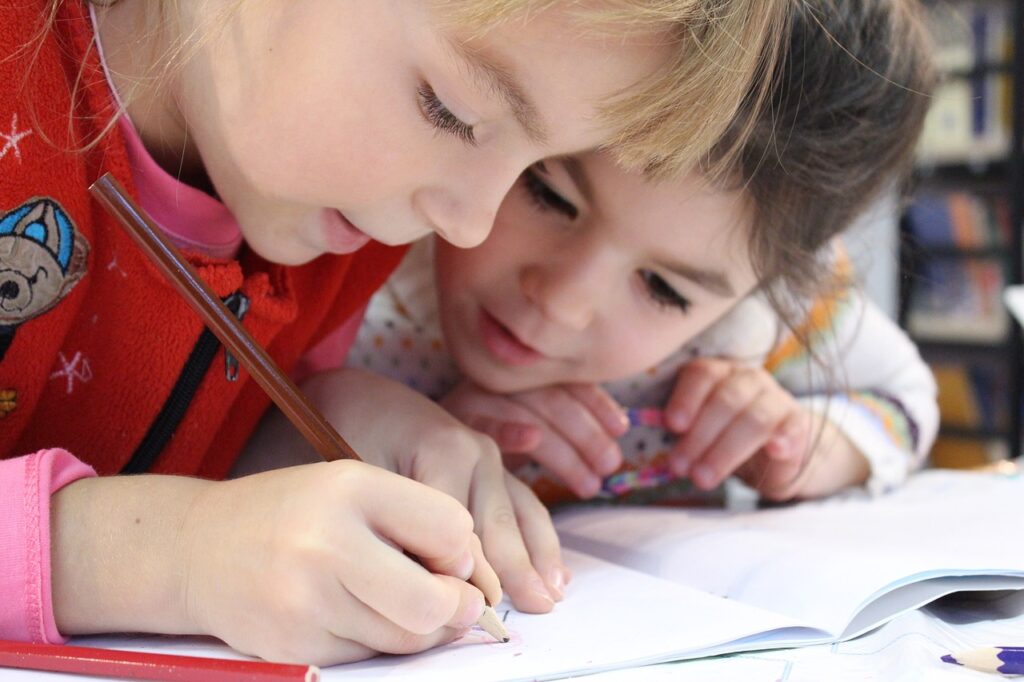
In the realm of education, discipline plays a crucial role in shaping students’ behavior and development. However, traditional forms of punishment, such as detentions or verbal reprimands, can sometimes feel outdated and ineffective. As educators, it’s important to rethink discipline strategies in a way that encourages students to learn from their mistakes and grow. One approach that has gained traction is the idea of “creative punishment” — strategies that correct behavior while promoting positive lessons. Let’s explore how schools can implement creative, constructive punishments to help students become more responsible and engaged individuals.
1. Reflective Essays: Learning from Mistakes
One of the most effective creative punishments involves asking students to write a reflective essay. Instead of simply reprimanding them, teachers can encourage students to think deeply about their actions and the consequences of those actions. A reflective essay pushes students to engage with their behavior, understand why it was wrong, and propose better alternatives for the future. This method fosters critical thinking and self-awareness, leading to more long-term behavioral improvement.
2. Community Service: Giving Back
When students misbehave, involving them in a task that benefits the school community can be a constructive way of dealing with poor behavior. For instance, students could be assigned to assist with cleaning school grounds, helping in the library, or volunteering in activities that support the school’s operations. Not only does this teach accountability, but it also gives students a chance to make amends by contributing positively to the environment they’ve affected.
3. Creative Expression: Channeling Energy Positively
For students with artistic inclinations, offering creative outlets such as drawing, painting, or writing poetry about their behavior can be a meaningful form of punishment. By channeling emotions into art, students not only reflect on their actions but also find constructive ways to express themselves. This can be especially useful in dealing with students who may struggle with traditional academic tasks, allowing them to see discipline as a learning opportunity rather than a burden.
4. Peer Teaching: Encouraging Responsibility
One powerful way to encourage students to take responsibility is by having them mentor or assist younger students. If a student has disrupted class or shown poor leadership, having them help younger peers with homework, tutoring, or school projects can teach valuable lessons about patience, leadership, and empathy. By putting them in a position of responsibility, you help them understand the impact of their actions on others.
5. Personalized Apologies: Owning Up to Mistakes
For minor infractions, students could be required to write a personal apology letter to those affected by their behavior. This helps them develop empathy and social responsibility, as they are required to reflect on how their actions have affected others. These personalized apologies go beyond saying “sorry” and foster a deeper understanding of the consequences of their actions.
6. Behavioral Contracts: Setting Clear Goals
Creating a behavioral contract between the teacher and the student is another effective way of promoting accountability. In this approach, students work with their teachers to set clear goals for improvement. The contract outlines specific behavior changes and includes rewards or consequences based on the student’s progress. This collaborative approach helps students feel invested in their own growth, rather than simply being subjected to punishment.
7. Group Problem-Solving: Building Cooperation
When a group of students misbehaves, instead of punishing them individually, try engaging them in a group problem-solving activity. Set up a scenario where they must work together to find a solution to a real-world problem or create something constructive for the class. This method promotes teamwork, accountability, and a sense of accomplishment while reinforcing the idea that disruptive behavior affects the collective experience.
8. Silent Reflection: Taking a Moment to Think
Sometimes, all a student needs is a moment of quiet reflection. Creating a designated “reflection corner” or “quiet time” space in the classroom can help students calm down and think about their actions without feeling the weight of public shame. They can use this time to think about what went wrong and how to correct it in the future.
Conclusion
Creative punishments not only correct behavior but also foster a positive learning environment. By focusing on growth, responsibility, and self-reflection, educators can turn discipline into a constructive experience. Whether it’s through community service, reflective essays, or personalized apologies, these approaches help students take ownership of their actions and grow into more responsible individuals.
The key is to understand that every mistake is an opportunity to teach students valuable life lessons, setting them on a path toward becoming better students and, ultimately, better people.