
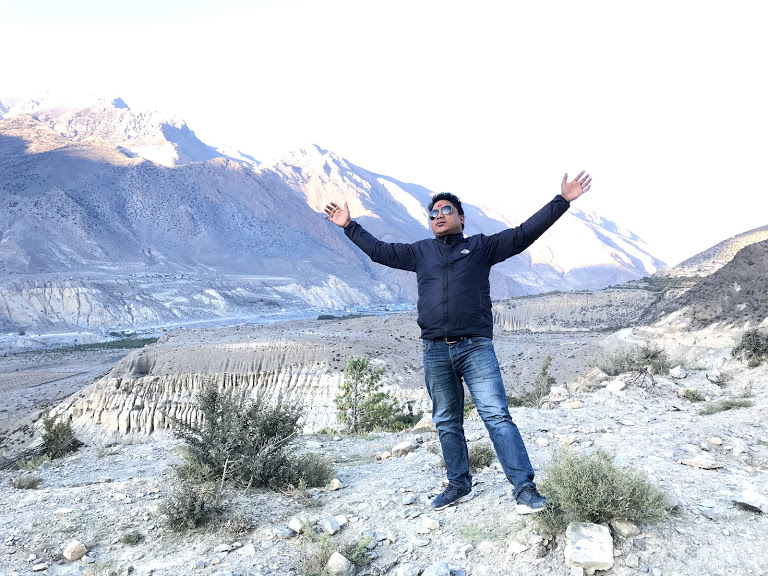
Nestled in the heart of the Himalayas, Mustang is a hidden gem that has long been revered as a “heaven on earth.” This mystical region, often referred to as the “Kingdom of Lo,” captivates travelers with its awe-inspiring landscapes, ancient culture, and a sense of serenity that transcends the ordinary. In this blog post, we embark on a virtual journey to explore the enchanting allure of Mustang, uncovering the reasons why it is considered a paradise by those fortunate enough to experience its wonders.
I. A Glimpse into the Mystical Kingdom:
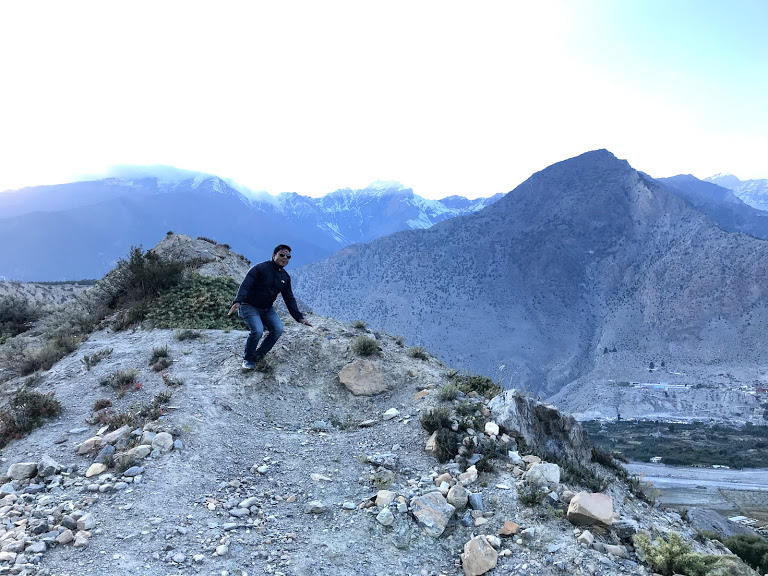
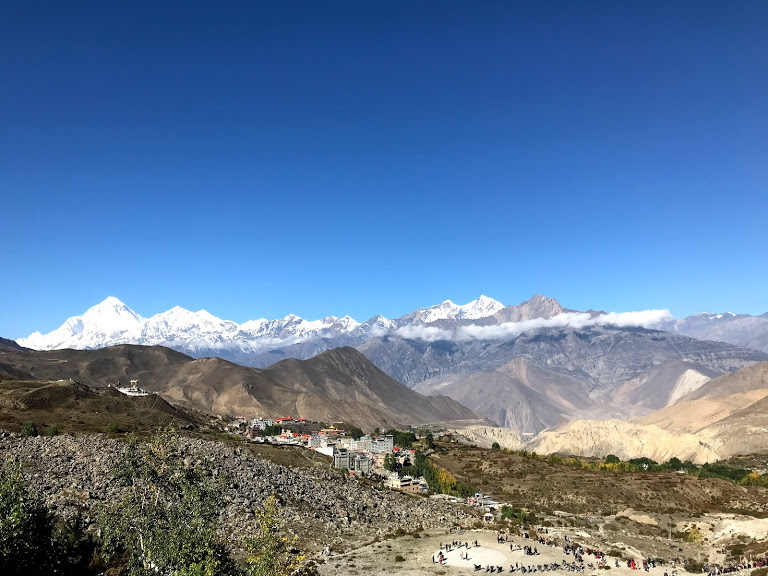
Geography and Location: Mustang is situated in the northern part of Nepal, bordering Tibet to the north. Its unique geographical features include deep canyons, towering cliffs, and a landscape that ranges from arid deserts to lush green valleys. The region is sheltered by the mighty Annapurna and Dhaulagiri mountain ranges, creating a rain shadow effect that contributes to its distinct climate.
Historical Significance: Once an independent kingdom, Mustang has a rich history that dates back over a thousand years. The capital, Lo Manthang, is a living testament to this history, with its ancient monasteries, palaces, and intricate architecture reflecting a blend of Tibetan and Nepalese influences.
II. The Mustang Landscape: A Photographic Symphony:
1. The Forbidden Kingdom: Until 1992, Mustang was restricted to outsiders, earning it the title of the “Forbidden Kingdom.” This isolation preserved the region’s unique culture and landscapes, adding an air of mystery and intrigue that continues to attract intrepid travelers seeking an authentic and untouched experience.
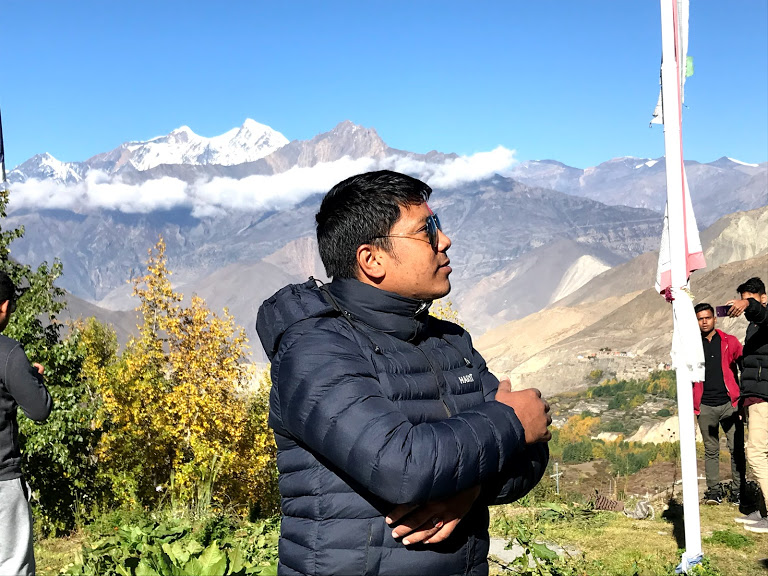
2. The Trans-Himalayan Terrain: Mustang’s terrain is a masterpiece crafted by nature, featuring deep canyons carved by the Kali Gandaki River and surreal rock formations that defy imagination. The landscapes are a photographer’s dream, with every frame capturing the essence of untouched wilderness.
3. The Annapurna Circuit: Mustang lies along the famous Annapurna Circuit trek, offering trekkers an unparalleled journey through diverse landscapes. The trek takes adventurers through charming villages, terraced fields, and ancient monasteries, providing a firsthand experience of the region’s cultural and natural riches.
III. Cultural Treasures:
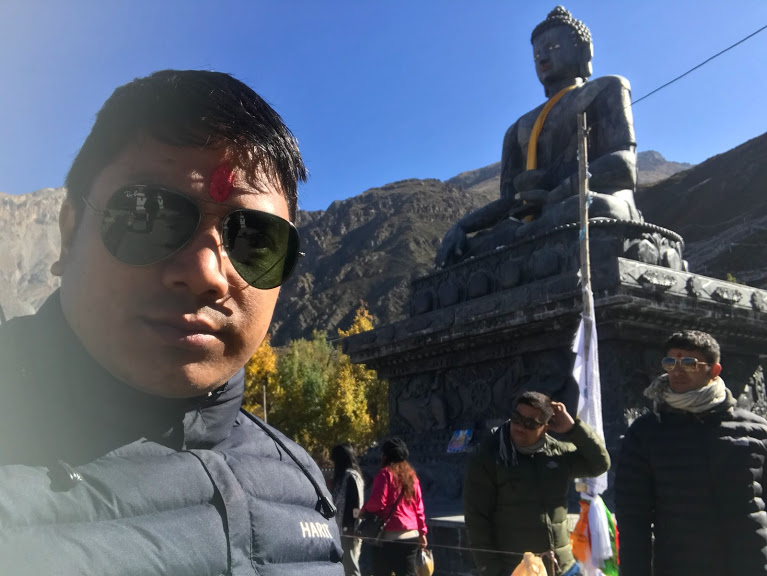
1. Ancient Monasteries: Mustang is home to some of the oldest Buddhist monasteries in the world. The ancient Thubchen and Jampa monasteries in Lo Manthang showcase exquisite murals, statues, and religious artifacts that speak to the spiritual richness of the region.
2. Tiji Festival: The Tiji Festival, celebrated annually in Lo Manthang, is a vibrant display of Mustang’s cultural heritage. The festival, steeped in religious significance, features traditional dances, masked performers, and rituals that invoke blessings and ward off evil spirits.
IV. The Mustang Trekking Experience:
1. Unique Trekking Permits: Due to its restricted status, Mustang requires a special trekking permit, adding an element of exclusivity to the experience. This permit ensures that the fragile environment and cultural heritage of the region are preserved for future generations.
2. Hospitality and Warmth: The people of Mustang, known as Lo-pa, are renowned for their hospitality and warmth. Trekkers are welcomed into traditional homes, where they can experience the local way of life, savor authentic cuisine, and forge connections with a community deeply rooted in its traditions.
V. Conservation Efforts and Responsible Tourism:
1. Preserving the Environment: The fragile ecosystem of Mustang demands careful conservation efforts. Local communities, along with government and non-profit organizations, are actively involved in initiatives aimed at preserving the region’s biodiversity, combating soil erosion, and promoting sustainable practices.
2. Balancing Tourism and Conservation: With the increasing popularity of Mustang as a trekking destination, there is a growing emphasis on responsible tourism. Initiatives such as waste management, community-based tourism, and education programs are being implemented to strike a balance between the influx of visitors and the preservation of Mustang’s unique identity.
Conclusion:
Mustang, the “heaven on earth,” beckons adventurers, nature enthusiasts, and cultural explorers to unravel its mysteries and bask in its unparalleled beauty. As we traverse its otherworldly landscapes, immerse ourselves in ancient traditions, and connect with the warm-hearted locals, Mustang reveals itself as not just a destination but a transformative experience—one that leaves an indelible mark on the soul. In an era where untouched paradises are increasingly rare, Mustang stands as a testament to the harmonious coexistence of nature, culture, and the human spirit.